Read More

Transforming Energy Drinks – the Demand for Natural Compounds

Ever since energy drinks hit American grocery aisles in the 1980s, their popularity as energy boosters for all-nighters and exercise marathons has grown exponentially. While these beverages can boost energy, they have a bad reputation for excess sugar and caffeine, which can lead to health problems. Today, many brands are turning to cleaner beverage formulations […]

Read More

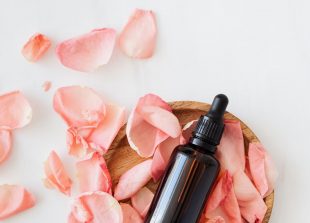
The Function of Natural Ingredients in Cosmetics

A typical cosmetic product contains anything from 15 to 50 ingredients, and, if you use multiple products, that means placing hundreds of chemicals on your skin every day. Cosmetics have complex formulations that often include emulsifiers, thickeners, preservatives, emollients, fragrances, and pigments to make them more appealing and easier to use. With the current consumer […]

Read More

Natural Isolate Requirements in the Food & Cosmetic Industry

Fragrance plays a significant role in our perception of food, beverages, and cosmetics, helping to bring out the flavor of a dish or enhance a relaxing bath time experience. Manufacturers use many ingredients, including pure essential oils, extracts, and isolates, to build pleasant scent profiles for their products. These fragrance additives can make processed food […]

Read More

Certifications to Suit Consumer Requirements

As consumers become more label-conscious, more people demand transparency from food and beverage manufacturers. They want to know what’s in their food, how it was made, where it comes from, and that it’s safe and healthy. Obtaining an internationally-recognized food certification proves your commitment to upholding quality and safety standards – helping you build trust […]

Read More

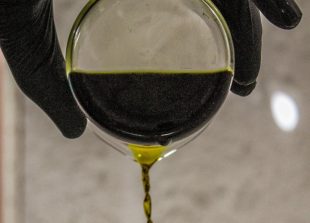
Distillates 101: Benefits for Modern Food and Drinks

Distillates are potent flavoring ingredients you can use to enhance the taste of processed food and drinks. They offer complex flavors with countless uses and are popular ingredients in premium beverage formulations. This article dives into the distillation process, the benefits of using distillates over extracts, and how to craft richer flavor profiles and more […]

Read More

Extracting Solids From Byproducts of Natural Feedstock

Extracts are potent concentrations of flavor and fragrance and make invaluable ingredients for scented candles, cosmetics, cleaning products, and perfume. Ancient civilizations worldwide used extracts for their medicinal properties, pigments, and aromas, and the global plant extracts market is worth over $25 billion1 today. Keep reading to learn more about the solid extraction process and […]

Read More

Next-Gen Food Preservation Solutions in Super Fruits and Foods

The average American household throws out nearly 32% of the food it buys , with a total of $240 billion lost to food waste every year. Fresh produce and other whole foods have a very short shelf-life and typically require extensive preservation to keep them fresh throughout their journey from farms to supermarkets. Chemical preservatives, […]

Read More

Gen Z and The Drive Towards More Alcohol-Free Drinks

Gen Z is the youngest adult generation and makes up about 20%1 of the US population. This vocal and ethnically-diverse generation of young people born between 1997 and 2012 is changing history with a low and no-alcohol revolution. Studies show that alcohol consumption among teens and young adults has declined sharply over recent years, and […]

Read More

Challenges When Producing Plant-Based High-Protein Bars and Snacks

Consumers are increasingly interested in cleaner, healthier, sugar, and allergen-free foodstuffs and ingredients. However, at the same time, they still want tasty treats and healthy snacks such as plant-based protein bars, crackers, and extrudes.   What is Plant-Based Protein? Typically, protein content relies on dairy, grains, and legumes such as whey, wheat, and soy, offering […]

Read More

Upcycling and the Development of Natural Umami

What is Umami? Beyond the traditional and familiar four taste types – sweet, sour, bitter, and salty, scientists have more recently – in 2002 – identified differentiated taste receptors in the tongue and officially recognized a fifth taste – umami. The flavor is a traditional oriental cooking ingredient, with umami meaning ‘essence of deliciousness’ in […]